Fitness & Training · 2026-10-26
How to Find the Right Gym for Your Goals: The Complete Guide
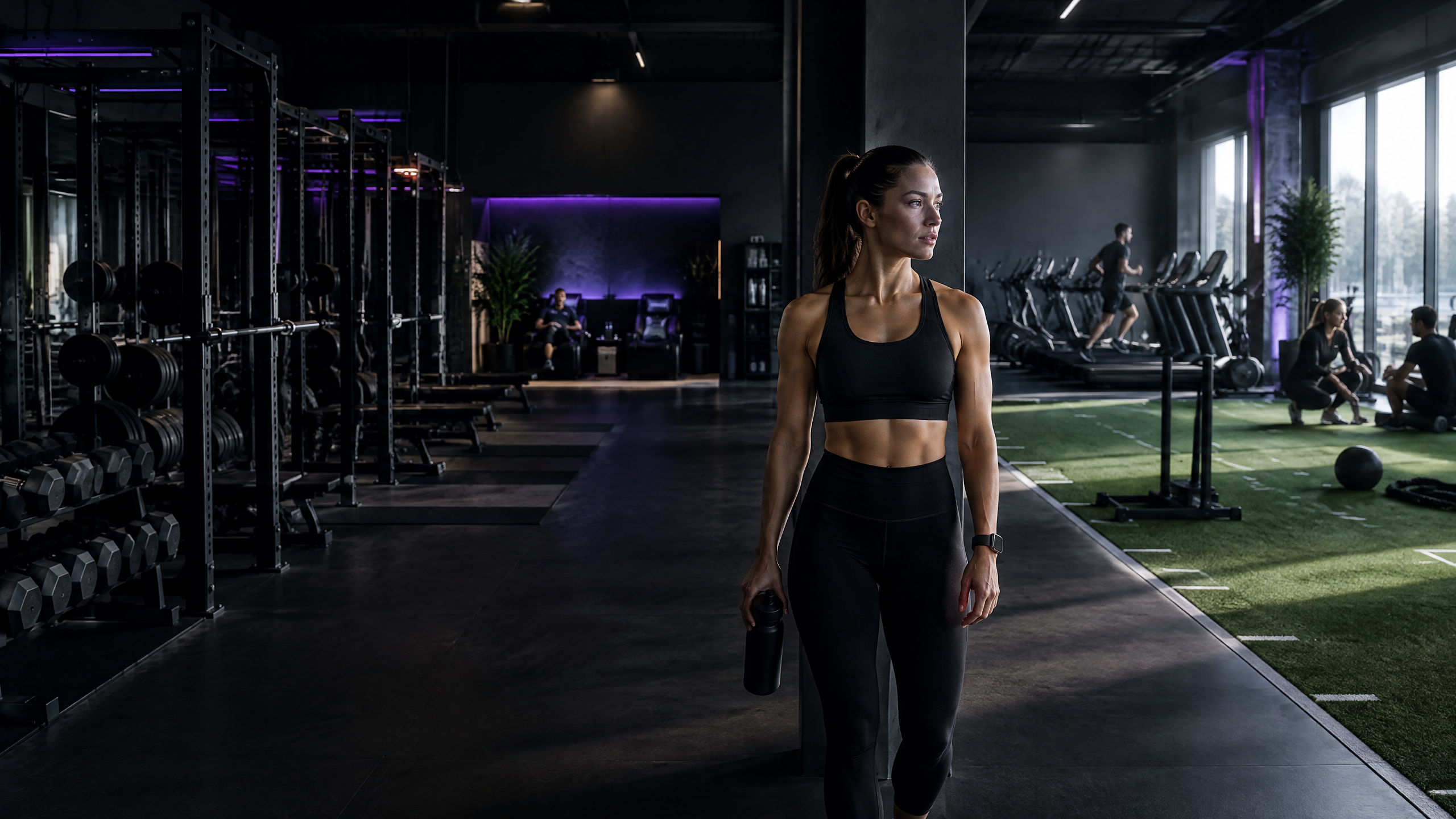
Choosing the right gym starts with your goals, schedule, budget, and preferred training environment. This FitDrip guide explains how to compare gym types, equipment, membership costs, location, coaching, cleanliness, and contract terms before joining.
Questions answered
How do I choose the best gym for my goals?
Start by defining your goals, such as strength training, general fitness, athletic performance, or group exercise. Then compare equipment, cost, location, opening hours, cleanliness, coaching, and membership terms.
How much should I spend on a gym membership?
There is no single ideal price. Compare local facilities based on their total fees, services, convenience, and how often you expect to use them. Choose a membership that fits your budget without paying for unnecessary extras.
Is it better to join a large gym or a boutique studio?
A large gym may provide more equipment and flexible independent training. A boutique studio may offer specialized classes and structured instruction. The better option depends on your goals, preferences, and schedule.
Should I try a gym before joining?
Yes, if a trial, day pass, or tour is available. Visiting helps you evaluate equipment, cleanliness, crowding, atmosphere, and whether the facility suits your training routine.
What should beginners look for in a gym?
Beginners may benefit from accessible equipment, clear instructions, qualified staff, convenient hours, a comfortable environment, and membership terms they understand. A supportive atmosphere can also make starting a routine less intimidating.
How important is a gym's location?
Location can have a major practical impact on consistency. Compare travel time, parking, transportation, and opening hours against your weekly schedule before committing.
What should I check before signing a gym contract?
Review the full price, additional fees, renewal terms, cancellation notice, membership suspension policy, and any charges for classes or extra services. Ask for clarification on anything you do not understand.
Can I find different types of fitness facilities on FitDrip?
FitDrip is designed to help people discover fitness and wellness businesses and experiences. Visit FitDrip to explore the platform and check the listings available for your location.
Introduction: Finding the Right Gym Starts With Your Goals
Choosing a gym is about more than finding a room full of weights and cardio machines. The right fitness facility can make training more convenient, help you stay consistent, and give you access to the equipment, environment, and community that support your goals.
But with traditional gyms, boutique fitness studios, strength and conditioning facilities, martial arts academies, and specialized training centers available, knowing where to start can be difficult.
Some people want to build muscle and increase strength. Others want to improve cardiovascular fitness, lose weight, train for a sport, or simply establish a healthier routine. Each goal may require a different environment.
The good news is that finding the right gym doesn't have to be complicated.
In this guide, FitDrip breaks down what to look for, which questions to ask, and how to compare fitness facilities before committing to a membership.
1. Define Your Fitness Goals Before Choosing a Gym
Before comparing memberships or touring facilities, identify what you want to accomplish.
Your goals should influence the type of gym you choose.
Strength training and muscle building
If your priority is building muscle and increasing strength, look for a gym with:
• A good selection of dumbbells and barbells.
• Squat racks and power racks.
• Adjustable benches and cable machines.
• Plate-loaded and selectorized strength equipment.
• Sufficient space for compound exercises.
• Equipment availability during your preferred training hours.
A bodybuilding or strength-focused gym may offer a more suitable environment than a facility primarily designed around cardio and group classes.
Weight management and general fitness
If your goal is improving fitness, managing your weight, or establishing a consistent exercise routine, prioritize convenience and versatility.
Consider facilities offering:
• Treadmills, stationary bikes, and other cardio equipment.
• Resistance machines and free weights.
• Group fitness classes, if you enjoy structured sessions.
• Flexible opening hours.
• Accessible locations and straightforward membership options.
The best facility is one that fits into your existing schedule rather than making exercise unnecessarily difficult to maintain.
Athletic performance and sports training
Athletes often need more than a conventional gym floor.
Depending on their sport, useful features may include:
• Turf lanes and open training areas.
• Sleds, medicine balls, and kettlebells.
• Plyometric boxes and functional training equipment.
• Sport-specific coaching or conditioning programs.
• Recovery facilities, where appropriate.
For combat sports athletes, a strength and conditioning gym near a Brazilian jiu-jitsu academy or boxing gym may be especially convenient.
Group fitness and community
Some people train more consistently when they have scheduled sessions, coaching, and a sense of community.
Boutique studios may specialize in indoor cycling, Pilates, yoga, strength classes, functional fitness, or other group-based formats.
Before joining, ask about class sizes, instructor qualifications, booking requirements, and whether introductory sessions are available.
FitDrip tip: Choose your gym based on the activities you will realistically do, not just the equipment that looks impressive during a tour.
2. Understand the Different Types of Gyms
Not every fitness facility offers the same experience. Understanding the main categories will help you narrow your search.
Commercial gyms
These facilities generally provide a broad selection of strength equipment, cardio machines, and membership options. They can be a practical choice for people who want flexibility and access to a variety of workouts.
Strength and bodybuilding gyms
These gyms focus heavily on resistance training, free weights, and strength equipment. They may appeal to experienced lifters, competitive bodybuilders, powerlifters, and people who prefer a training-focused environment.
Boutique fitness studios
Boutique studios typically specialize in a particular workout format or training experience. Examples include Pilates, yoga, cycling, and small-group strength classes.
They can be attractive to people who prefer instructor-led sessions and a more structured schedule.
Functional fitness and athletic performance facilities
These spaces may offer turf, sleds, kettlebells, plyometric equipment, and coaching for athletic development. Their suitability depends on your sport, training experience, and programming needs.
Martial arts and combat sports academies
Brazilian jiu-jitsu, boxing, wrestling, judo, and mixed martial arts facilities combine technical instruction with physical conditioning.
If you train in combat sports, consider whether your schedule and budget allow you to combine a martial arts membership with separate strength training.
Specialized wellness and recovery facilities
Some businesses focus on services such as mobility, sports massage, sauna, or other recovery experiences rather than conventional gym memberships.
These services may complement a training routine, but they are not substitutes for choosing an appropriate exercise program.
3. Compare Gym Membership Costs Before Signing Up
Price matters, but the cheapest membership is not automatically the best value.
A gym's total cost can include more than its advertised monthly rate.
When comparing facilities, check:
• Monthly or annual membership fees.
• Initiation or enrollment charges.
• Maintenance or annual fees.
• Cancellation requirements and notice periods.
• Personal training and class charges.
• Guest privileges and additional amenities.
• Parking or transportation expenses.
For example, a hypothetical gym charging $40 per month costs $480 over 12 months before additional fees. A facility charging $65 per month costs $780 over the same period.
The difference is $300 annually. Whether the more expensive option is worth it depends on the equipment, location, services, and experience it provides.
You should also calculate the likely cost per visit.
If a $50 monthly membership is used 12 times in a month, it works out to approximately $4.17 per visit. If it is used only twice, the cost is $25 per visit.
These calculations can help you evaluate value based on your actual habits.
Before committing to a long-term agreement, ask whether the facility offers a trial, day pass, or short-term membership.
4. Evaluate Equipment, Cleanliness, and Gym Conditions
Photos can help you discover a gym, but an in-person visit can reveal details that are difficult to assess online.
During your tour, pay attention to the following.
Equipment condition: Check whether machines, cables, benches, and other frequently used equipment appear properly maintained.
Availability: Visit at the time you would normally train. A gym that feels spacious at midday may be crowded after work.
Cleanliness: Look at the training floor, washrooms, showers, locker rooms, and shared equipment.
Ventilation and temperature: Consider whether the environment feels comfortable during a typical workout.
Layout: Look for enough space to move safely between exercises without constantly interrupting other members.
Amenities: Determine whether lockers, showers, parking, Wi-Fi, or other facilities are important enough to influence your decision.
You do not need a gym with every possible amenity. You need a facility that delivers the essentials for your goals.
5. Choose a Location That Makes Consistency Easier
Location is one of the most practical factors in choosing a gym.
A facility close to home may be convenient for early morning workouts. A gym near your workplace may be better if you prefer training before heading home.
Consider:
• Travel time during your normal schedule.
• Public transportation and parking.
• Opening hours and holiday schedules.
• Distance from work, school, or home.
• Whether the gym fits into your existing daily routine.
A premium gym across town may be less useful than a well-equipped facility ten minutes away if the extra travel regularly prevents you from training.
Think about your weekly routine before making a decision.
If you plan to train four times per week, calculate how much additional travel the location creates over a month. Small inconveniences can become significant when repeated regularly.
6. Look Beyond the Equipment: Coaching and Community Matter
Two gyms with similar equipment can provide very different experiences.
If you are new to exercise, ask whether staff can explain how equipment works and whether qualified trainers are available to help you develop an appropriate program.
If you have specific performance goals, investigate the qualifications and experience of coaches offering relevant services.
You can also evaluate the atmosphere.
Some people prefer independent training with minimal interaction. Others enjoy group classes, training partners, and a more social environment.
Neither approach is universally better.
The right environment is one in which you feel comfortable, can train safely, and can pursue your goals without unnecessary distractions.
Be cautious of facilities that pressure you into expensive packages before clearly explaining the services, terms, and costs.
7. Read Reviews and Verify Important Details
Online reviews can help you identify patterns in members' experiences, but they should not be your only source of information.
Look for recurring comments about:
• Crowding during peak hours.
• Equipment maintenance.
• Cleanliness.
• Staff professionalism.
• Membership billing and cancellation.
• Class availability.
• The accuracy of advertised amenities.
One negative review does not necessarily represent the entire facility. However, repeated reports of the same problem may warrant further investigation.
Check the gym's official website or contact the facility to confirm its current membership prices, hours, services, and policies.
If a particular amenity is essential to your decision, ask for confirmation before signing up.
8. Use This Gym Comparison Checklist
Compare your shortlisted gyms using the same criteria. This makes it easier to distinguish between a facility that looks appealing and one that actually fits your needs.
What to compare — Questions to ask
Training equipment — Does it have the equipment I need?
Monthly cost — What is the full cost, including additional fees?
Location — Can I get there consistently?
Opening hours — Does it fit my schedule?
Crowding — Is equipment available during peak hours?
Cleanliness — Are the training and changing areas maintained?
Coaching — Are suitable trainers or classes available?
Contract terms — What are the cancellation and renewal conditions?
Amenities — Which included services will I actually use?
Overall fit — Can I see myself training here regularly?
You can also score each gym from 1 to 5 across your most important criteria.
Give greater weight to the factors that matter most to you. For example, an athlete may prioritize equipment and training space, while someone with a busy schedule may prioritize location and opening hours.
9. Common Mistakes to Avoid When Choosing a Gym
Choosing based on price alone
A low membership price can be attractive, but it does not guarantee that the facility meets your needs. Compare the total cost with the services and convenience provided.
Signing a contract before visiting
Whenever possible, tour the gym and inspect the facilities before committing to a long-term membership.
Ignoring peak-hour conditions
Visit during your intended training window to understand how crowded the facility becomes.
Paying for services you will not use
Premium amenities, extensive class packages, and personal training can add value when they meet your needs. Otherwise, they may increase your expenses without improving your experience.
Overlooking contract terms
Understand renewal, cancellation, payment, and suspension policies before signing. Keep a copy of your agreement.
Assuming a gym will automatically produce results
A gym provides an environment and equipment. Progress also depends on consistent participation, an appropriate training plan, recovery, and other lifestyle factors.
The right gym makes it easier to follow through on your intentions, but it cannot replace the work itself.
10. Find Your Next Gym With FitDrip
Finding the right fitness facility should be easier than searching through endless listings, outdated information, and disconnected websites.
FitDrip is building a fitness and wellness discovery platform designed to help people explore the businesses, services, products, and experiences that support an active lifestyle.
Whether you are searching for a strength training facility, boutique fitness studio, martial arts academy, or another fitness experience, your search should begin with what matters to you: your goals, location, preferences, and budget.
Start by exploring FitDrip and discovering fitness and wellness options that may fit your lifestyle.
Explore FitDrip: https://fitdrip.co/
As you compare options, confirm current prices, opening hours, amenities, and membership conditions directly with each business.
Your next gym does not have to be the biggest, newest, or most expensive. It needs to be the right fit for the way you want to train.
Final Thoughts
The right gym is the one that aligns with your goals, budget, schedule, and preferred training environment.
Take time to compare facilities, ask questions, inspect the equipment, and understand the membership agreement. A thoughtful decision can help you build a routine that is practical and sustainable.
Explore your fitness options with FitDrip and take the next step toward finding a facility that fits your lifestyle.
Editorial note: This article is intended for general informational purposes. Facility offerings, prices, policies, and availability vary by location and business. Confirm details directly with the provider before purchasing a membership.
Explore FitDrip
Source: FitDrip Editorial Team